


Consumer Guides
How To Identify And Treat Koi Parasites
Jun
Parasites can be a common problem among Koi keepers. Knowing how to quickly identify and treat parasitic issues can help ensure your Koi have the best chance of recovery.
Symptoms and Signs of Parasitic Infestation
Most parasites are not visible to the naked eye, but Koi may exhibit physical and behavioral signs indicating a parasitic issue. Some common symptoms include:
- Flashing, scratching, rubbing, and twitching
- Gasping for air
- Lethargy or isolation
- Loss of appetite
- Sores, lesions, or ulcers
- Redness on the body or red streaks on the fins
- Clamped fins
- Excess mucus secretion
Identifying and Treating Koi Parasites
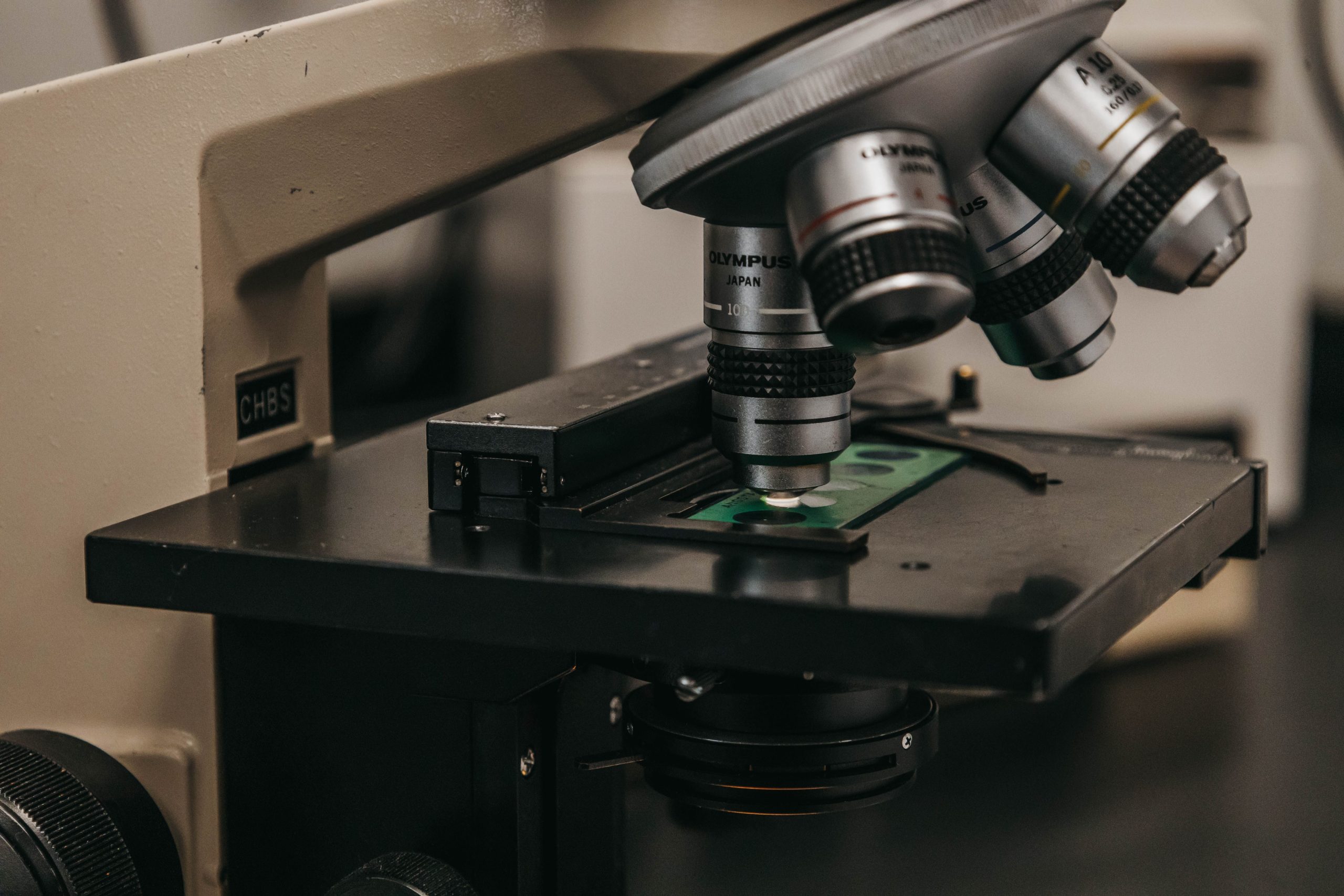
To identify a parasitic infestation, you will need to take a skin scrape. This involves taking a small sample of mucus from your Koi and examining it under a microscope on a slide.
If a parasite is present, it will appear on the slide when viewed under the microscope. Correctly identifying the parasite will allow you to determine the best course of treatment. Below is a list of parasites commonly found in Koi, how they appear under a microscope, and the most effective treatment.
| Name of Parasite | Appearance Under Microscope | Treatment |
| Anchor Worm |
|
|
| Fish Lice |
|
|
| Flukes |
|
|
| Chilodonella |
|
|
| Costia |
|
|
| Ich/White Spot |
|
|
| Trichodina |
|
|
Prevention Is Easier Than Treatment
Parasites are typically brought into a pond by new fish or plants. It’s recommended that you quarantine any new fish for a minimum of 14 days to monitor them closely for any signs of illness and prevent any issues from spreading to your entire pond population. Unless your plants are sourced from somewhere where they haven’t been exposed to fish, they should also be quarantined for 14 days. This will ensure any potential parasites or eggs attached to the plant have died off before reaching your Koi.
Download PDF